Professional Las Vegas Medical Massage for Ongoing Wellness
Professional Las Vegas Medical Massage for Ongoing Wellness
Blog Article
Rejuvenating Medical Massage for Pain Relief and Relaxation
A rejuvenating medical massage functions as a comprehensive approach to pain relief and relaxation. By integrating techniques like intense muscle work and myofascial release, it tackles chronic discomfort successfully. This treatment not only promotes physical recovery but also enhances emotional well-being. Understanding the role of a peaceful setting and clear dialogue can further amplify these benefits. Exploring the particular methods and their impact reveals a deeper understanding of this whole-body approach.
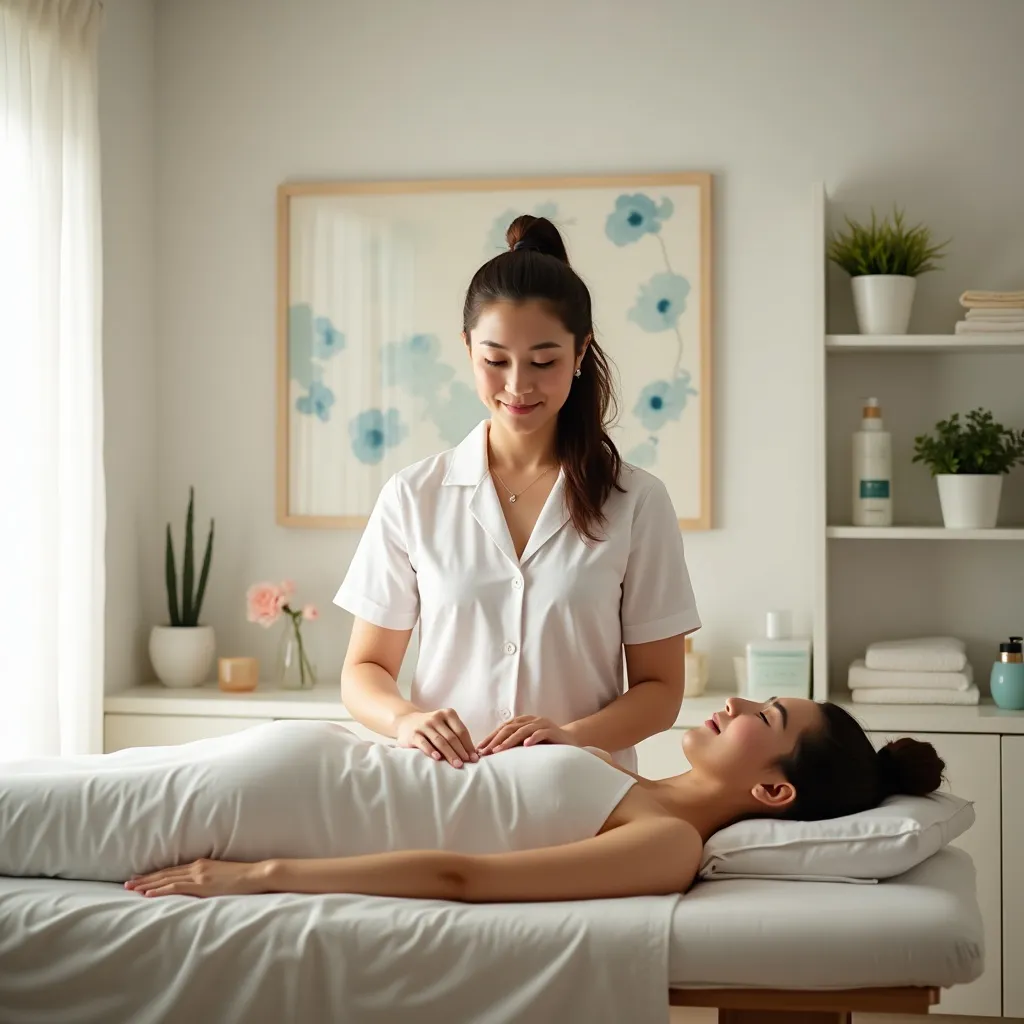
How Medical Massage Alleviates Chronic Pain
Medical massage targets the underlying causes of chronic pain, providing a comprehensive solution to relief. By employing specific techniques, such as deep tissue manipulation and myofascial therapy, medical massage addresses both physical and emotional components of pain. Therapists assess individual needs, tailoring treatments to alleviate discomfort in targeted areas.
Findings demonstrate that this method can ease muscle tension, enhance circulation, and strengthen flexibility, all of which aid in pain reduction. Additionally, the therapeutic environment promotes relaxation, which can lead to lowered stress and better overall health.
Patients frequently report significant improvements in their physical discomfort, functionality, and daily living satisfaction after receiving medical massage. This method not only alleviates symptoms but also empowers individuals by supplying tools for autonomous wellness and recovery. Overall, medical massage serves as an potent supplement to traditional pain management strategies, cultivating a thorough path toward healing.
Grasp What Forms a Refreshing Medical Bodywork
A revitalizing medical massage encompasses a variety of methods designed to encourage healing and stress relief. These methods often include deep muscle work, trigger point therapy, and myofascial release, each focusing on particular muscles and fascia to relieve tightness and discomfort. The application of flowing movements helps improve blood flow, supplying oxygen and nourishment to affected areas while facilitating the removal of bodily toxins.
Additionally, therapists may utilize stretching exercises to improve agility and movement capacity, further assisting in recovery. Aromatherapy oils and peaceful music may also support, creating an environment promoting relaxation. Each session is personalized to the individual’s needs, evaluating factors such as injury history and personal preferences. Ultimately, a rejuvenating medical massage aims not only to alleviate physical discomfort but also to encourage a sense of overall well-being, making it a holistic approach to health.
How Leisure and Rest Elevates Medical Massage Beneficial Results
Relaxation fundamentally supports maximizing the benefits of medical massage. By practicing relaxation techniques, patients can obtain enhanced muscle recovery and broad-based pain relief. This connection between relaxation and therapeutic outcomes demonstrates the importance of a calm state during treatment.
Stress Reduction Approaches
While several forms of therapy are available, stress reduction approaches play an essential role in improving the effects of medical massage. Methods like deep breathing, mindfulness, and guided imagery may significantly lower stress levels, building a more helpful environment for healing. When people engage in these techniques before or during a massage, their bodies reach a state of relaxation that amplifies the massage's effects. This enhanced state of calm supports better muscle response and increased blood flow, aiding pain relief and relaxation. In addition, reduced stress can lead to enhanced mental clarity and emotional well-being, making the overall experience more beneficial. By incorporating stress reduction techniques, clients can maximize the therapeutic advantages of medical massage, leading to a more profound sense of rejuvenation.
Improved Muscle Recovery
When the body enters a state of calmness, enhanced muscle recovery begins, allowing medical massage to function more efficiently. In this calm state, blood circulation amplifies, facilitating the delivery of oxygen and nutrients to fatigued muscles. This process helps eliminate metabolic waste, which can be a cause of soreness and stiffness. Moreover, relaxation reduces muscle tension, allowing deeper tissue manipulation which heightens the overall effectiveness of the massage. The release of endorphins during this process not only eases pain but also creates a sense of well-being. Thus, the combination of improved circulation, reduced tension, and pain relief leads to faster recovery and enhanced performance for individuals, establishing relaxation as a crucial component in the benefits of medical massage.
Core Competencies for Effective Medical Therapy
Effective medical massage employs a variety of methods designed to alleviate pain and support healing. Among these methods, deep tissue massage emphasizes on reordering deeper strata of muscles and connective tissue, often concentrating on chronic aches and pain. Trigger point therapy identifies and liberates specific knots within muscles, offering immediate relief to localized discomfort. Swedish massage, noted by long, flowing strokes, elevates relaxation while boosting circulation and flexibility. Additionally, myofascial release addresses restrictions in the fascia, allowing greater mobility and decreasing tension. Sports massage, tailored for athletes, blends techniques to hinder injuries and ease muscle soreness post-exercise. Each of these methods can be modified based on individual needs, confirming a thorough approach to pain management. By combining these techniques, medical massage practitioners aim to create a balanced therapeutic experience that addresses both physical discomfort and emotional stress, ultimately nurturing an environment conducive to healing.
Benefits of Better Blood Flow Via Massage
Improved circulation achieved through massage delivers several important benefits, including enhanced oxygen supply to tissues. This increase in blood flow helps with removing toxins, improving overall health. Additionally, better blood flow enhances muscle recovery, allowing healing quicker and pain lessened.
Better O2 Circulation
When the body undergoes the calming effects of medical massage, improved oxygen delivery becomes a significant benefit of enhanced circulation. The manipulation of soft tissues promotes blood flow, which boosts the transport of oxygen-rich blood to muscles and organs. This heightened oxygen delivery not only enhances cellular function but also aids tissue repair and recovery. Increased oxygen levels can reduce fatigue, decrease muscle tension, and promote overall relaxation. Additionally, improved oxygenation may bolster endurance and performance in physical activities. Medical massage therefore plays an essential role in optimizing the body's oxygen supply, contributing to a more efficient healing process and a heightened sense of well-being. This benefit underscores the importance of incorporating massage therapy into regular health routines.
Harmful Substance Detoxification Advantages
Adding medical massage regularly into wellness regimens can effectively support in the body's toxin removal. The manipulation of soft tissues during massage boosts blood circulation, which enhances delivery of oxygen and nutrients while aiding the elimination of metabolic waste. This process helps to flush out toxins, including lactic acid and other waste products that gather in muscles and tissues. Improved circulation also promotes lymphatic drainage, which is vital in immune function and detoxification. As toxins are effectively eliminated, individuals may notice reduced inflammation and enhanced overall well-being. Therefore, medical massage not only provides immediate relief but also supports a healthier internal environment, supporting long-term wellness and health.
Improved Muscle Recovery
Medical massage notably increases muscle recovery by enhancing circulation within the body. Enhanced circulation delivers vital nutrients and oxygen to muscle tissues, enabling faster healing and lessening soreness after physical exertion. This method both eases tension and helps in removing metabolic waste products accumulated from intense exercise. Massage also stimulates the lymphatic system, thereby supporting toxin elimination. Medical massage fosters relaxation and lessens muscle stiffness, creating an optimal environment for recovery. Athletes as well as injury recuperators especially benefit from this approach because it boosts performance and endurance. In conclusion, enhanced circulation via massage is a key element in successful muscle recovery.
How to Select the Right Medical Massage Therapist?
How can someone confirm they locate the right medical massage therapist? The choosing process begins with confirming credentials. A competent therapist should hold appropriate certifications and licenses, verifying they have finished proper training. Additionally, obtaining recommendations from medical professionals or dependable individuals can be beneficial.
Next, it is crucial to evaluate the clinician's background, particularly in treating particular ailments or trauma. This skill can significantly impact treatment outcomes.
Moreover, a potential client ought to examine the therapist's communication style; a skilled practitioner will give full attention and provide a complete assessment to satisfy personal circumstances.
Finally, the surroundings plays a vital role in the overall experience. A clean, calming space can enhance relaxation and comfort. By following these guidelines, individuals can more effectively manage their choices, ultimately leading in a more effective and satisfying therapeutic massage session.
What to Expect During Your First Medical Therapeutic Session?
During the initial medical massage appointment, patients typically experience a structured and informative process. Upon arrival, they will likely fill out a medical questionnaire, outlining medical history and particular problem areas. This data helps the therapist tailor the treatment to individual needs.
Subsequently, a exchange will occur, allowing the therapist to clarify any questions and outline treatment goals. Clients are advised to voice their thoughts openly about their comfort levels throughout the session.
The massage itself may include different techniques, focusing on alleviating discomfort and promoting comfort. Clients should be aware that intensity can be modified to match their needs.
After the meeting, practitioners often provide recommendations for follow-up care or self-management strategies, emphasizing the importance of ongoing communication. Overall, the first session aims to foster connection and set the base for successful intervention moving forward.
Frequently Asked Questions
Can Medical Massage Deliver Assistance with Anxiety and Stress Relief?
Massage therapy can definitely provide relief from stress reduction and anxiety relief. By promoting relaxation and alleviating muscle tension, it helps people overcome emotional distress, enhancing overall well-being and fostering a atmosphere of peace in their lives.
How Frequently Should I Obtain a Medical Massage for Superior Results?
To achieve best results, it is generally advised that individuals get medical massage sessions weekly. Nevertheless, how often sessions should occur may differ depending on personal requirements, specific conditions, and professional guidance from a qualified massage therapist.
Is Therapeutic Massage Secure for Everyone, Including Pregnant Persons?
Medical massage is typically safe for many persons, including pregnant individuals, but it is crucial to meet with a healthcare practitioner beforehand. Tailored assessments ensure that particular health conditions and requirements are managed properly for protection.
What Attire Should I Select During a Medical Massage Session?
During a therapeutic massage appointment, individuals should don relaxed, baggy attire that allows for easy movement. Undergarments are usually sufficient, but patients may also choose a gown provided by the massage professional for extra comfort.
Do Medical Massage Treatments Have Any Possible Side Effects?
Medical therapy may cause short-term side effects such as muscle tenderness, discoloration, or fatigue. Sometimes, individuals might experience emotional discharge or increased practical tips sensitivity. Speaking with a practitioner can assist in address any concerns prior to and following the session.
Report this page